 Students Incorporated
Community
What a Bangkok Teen Podcast Got Right About Modern Dating
ICS Bangkok students built a blind dating game for laughs, but their instincts on honesty and humor echo new research on what makes first dates work.
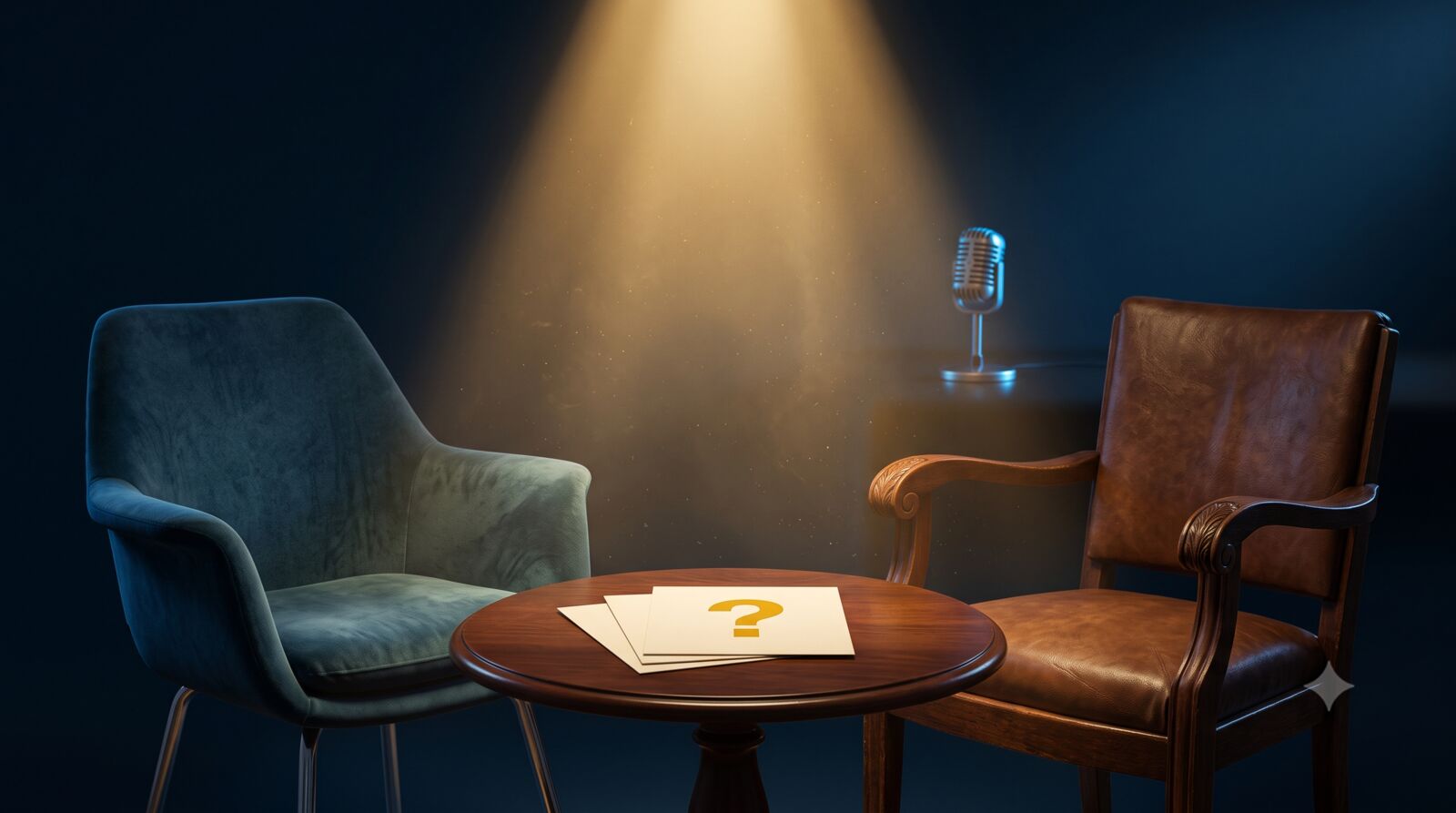
A blind dating game built by three teenagers on a school podcast turns out to model almost exactly what psychologists say makes a first date work. For their Valentine's Day Comedy Special, the students behind Students Incorporated at the International Community School of Bangkok (ICS Bangkok) recruited three girls, kept their identities anonymous, and asked each the same set of questions about an ideal date, then had co-host Lion pick his favorite answers without knowing who wrote them. They called it "Will Lion Find a Mate?" It's a format that unintentionally mirrors the exact setup researchers use to study what draws two strangers together.
A Game Built Like a Study
The game ran through five questions: what movie the pair would watch, what an ideal date would involve, how each girl would describe herself, what she was looking for in a partner, and how she'd break bad news to Lion gently. Linda and co-host Darren read each contestant's answers aloud, and Lion picked a favorite every round blind. He wasn't mechanically consistent: for the ideal-date question, he passed over a plan for a bookstore-and-record-store afternoon capped with ramen and picked another contestant's Muay Thai boxing match and bubble tea instead, reasoning that hers "has a plan, a really detailed plan." But on four of the five rounds, including the final tally, he landed on the same contestant, Taylor C., drawn each time to whichever answer showed the most personality and thought rather than the safest or most flattering one.
That instinct lines up with what a University of Georgia psychology researcher found when she tested it. Daisi Brand, a Ph.D. student in UGA's Behavioral and Brain Sciences program, randomly paired 200 strangers in two rooms, one comfortable, one bare, and measured how connected they felt afterward, according to UGA Today. The room barely mattered: what predicted whether two people clicked was conversation quality, not the couch it happened on. Lion never met his contestants in person, had no restaurant or ambience to lean on, and still made a consistent read on which answers carried real thought. The game had already stripped away the variable Brand's research says matters least.
Taylor C.'s answers won him over for different reasons each round: a willingness to pick the "daring" movie choice over the safe one, a self-description built around confidence "but not really arrogant," and, in the round about softening bad news, a plan that paired his favorite drinks and snacks with an admission she'd probably crack a joke to keep things from getting too heavy. None of it was the kindest-sounding answer by default; it was the one that read as most specifically hers, closer to what Brand's research says actually drives connection than pure agreeableness.
The List That Doubles as a Warning Label
Before the game, the co-hosts read curated top-ten lists of things not to say on a first date, one for men, one for women. Some entries were pure comedy ("I just got out of jail" ranked eighth for guys). Others were quieter and more revealing. One contestant, describing her ideal partner, said she wanted someone who "isn't afraid to be himself and preferably isn't into the whole manosphere thing." It was a throwaway line in a game show bit, but it landed on a real concern: a 2026 UN Women guide for parents notes that manosphere content, a network of online influencers pushing rigid, hostile ideas about masculinity and dating, has grown mainstream enough that some teenage girls report stepping back from dating to avoid it. Research cited in the guide found that TikTok and YouTube Shorts began serving misogynistic content to fake male accounts within 23 minutes of scrolling, regardless of what those accounts had searched for. The same guide cites research finding that young men who strongly endorse those ideas are ten times more likely to sexually harass someone than peers who don't, which is why a teenager naming the trend unprompted is worth noticing.
"You look much better in your profile picture."
That line, ranked the top thing not to say to a woman on a first date, got one of the show's biggest laughs. It's also, unintentionally, a punchline about responsiveness, the quality a Harvard-led study says drives likability more than anything else at a first meeting. Researchers examined more than 300 conversations, including data from a speed-dating event, and found that people who asked more follow-up questions, digging into what a partner just said rather than changing the subject, were rated more likable and landed more second dates, according to CNBC's coverage, published in the Journal of Personality and Social Psychology. Insulting someone's appearance is the opposite of a follow-up question: it signals nobody was paying attention.
Fewer Teens Are Getting the Reps
The episode aired into a dating landscape that looks nothing like the one its own host described from his college years. Teen dating in the United States has been declining for years, with no sign of reversing. Only 56% of Gen Z adults say they were ever in a romantic relationship as a teenager, compared with 78% of Baby Boomers and 76% of Gen Xers at the same age, according to a Survey Center on American Life analysis by researcher Daniel A. Cox. Forty-four percent of Gen Z men report no teenage relationship experience at all, roughly double the rate of older generations of men. A follow-up 2026 survey from the same center found dating is now one of several classic teenage experiences, like part-time jobs and drinking, that are simply less common than before.
The apps that were supposed to fill that gap aren't doing it either. Roughly 78% of Gen Z daters report feeling burned out on dating apps, according to a 2025 Forbes Health survey, with more than half saying that burnout hits often or always, the highest rate of any age group surveyed. Against that backdrop, a goofy, low-stakes game recorded in a school studio starts to look less like filler and more like practice teenagers increasingly aren't getting anywhere else: reading someone's answers, weighing what mattered to them, and making a judgment call without a profile photo or a swipe to lean on.
What a Blanket and a Motorcycle Taught the Host
The episode's funniest material came from Mr. Jason's own dating history, offered as cautionary tales rather than advice. He described taking his now-wife, then a college freshman he'd just started seeing, to a friend's soccer game, a date going well until a post-game tug-of-war over a shared blanket left her flat on the parking lot pavement. His second story involved picking a date up on his Honda Nighthawk motorcycle, not registering until he pulled up that she was wearing a skirt. Both stories work because he tells them on himself, mishap first, lesson second, in the same register of self-deprecation one contestant uses earlier when she admits she's "not made of money" and doesn't expect a date to cover every bill.
That instinct, telling the story that makes you look a little foolish rather than the one that makes you look smooth, tracks with what the UGA and Harvard research both point toward: openness reads as more attractive than polish. A pickup truck with a bench seat and no headrest, a friend nicknamed Speedy Dave, a blanket that ends a date on the ground: none of it is glamorous, and that's exactly why it still works as a story on a podcast his students help produce. The lesson underneath the jokes, repeated across the top-ten list, the blind game, and the host's own stumbles, is the one researchers keep confirming with much larger samples: the setting, the vehicle, and the profile picture matter far less than whether the person across from you feels like someone actually paid attention.