 Students Incorporated
Entrepreneurship
How Velocean Liveaboard Turned a COVID Launch Into Growth
Velocean Liveaboard co-founder Ice explains how a fully booked dive business survived COVID lockdown by pivoting to leisure charters — and grew from it.
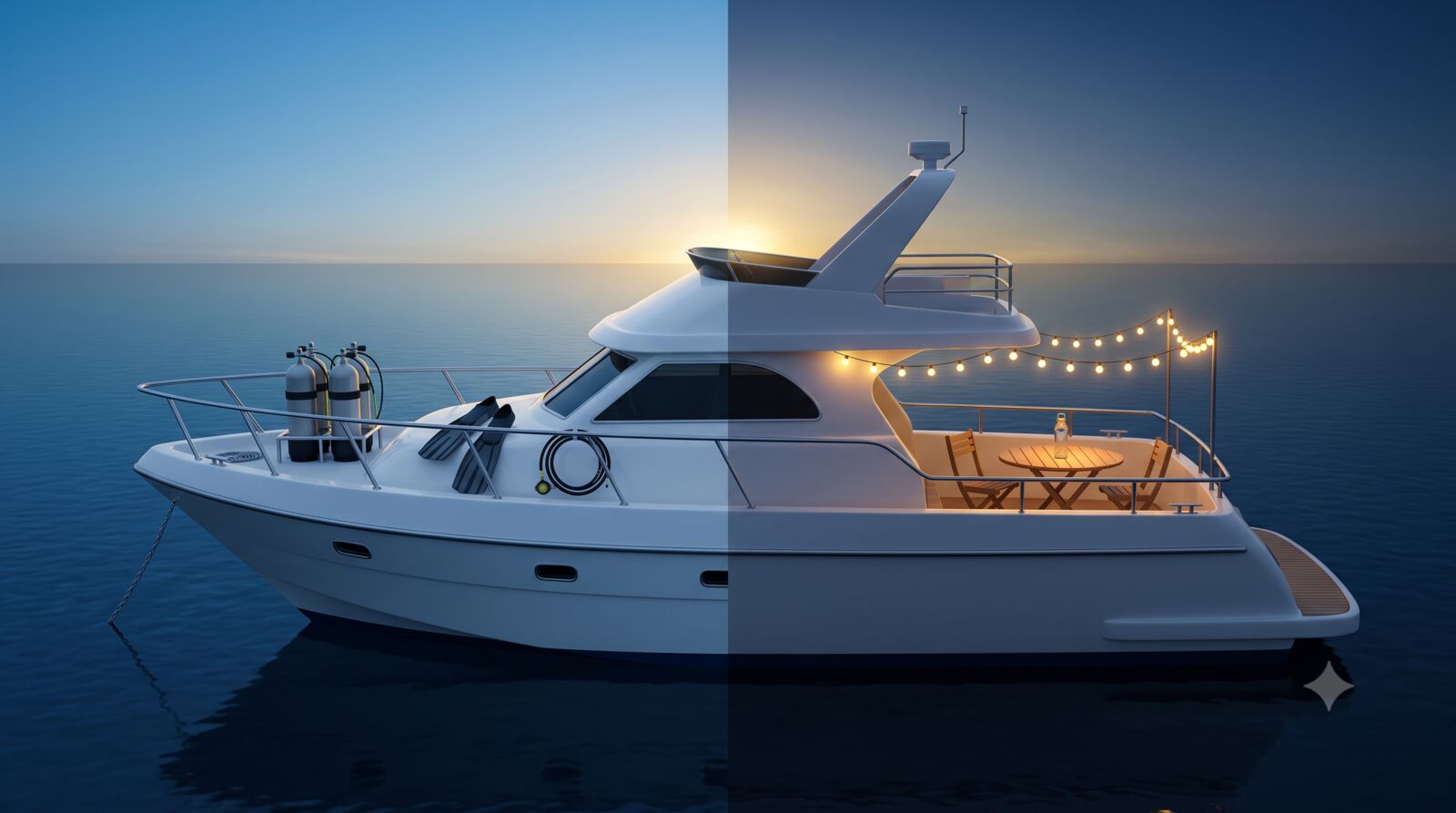
Velocean Liveaboard, a luxury scuba-diving boat business operating in Indonesia, launched at almost the exact moment COVID-19 shut down international travel, with the boat already booked solid for nearly two years in advance and a full crew on payroll. On episode 116 of Students Incorporated, co-founder and marketing director Ice told co-hosts Highlight and Proud how a diving-only business plan turned into something else entirely within its first year, and why that forced pivot ended up building the company rather than sinking it.
Velocean's recovery mirrors a broader rebound now underway across Indonesian tourism. The country declared its tourism sector fully recovered from the pandemic in 2025, logging 15.39 million international arrivals that year, up nearly 11 percent from the year before. The liveaboard diving segment specifically has kept growing since: industry data from the Indonesian Marine Tourism Association put the number of international divers booking multi-day liveaboard cruises at roughly 18,000 a year as of 2026, a 12 percent increase over 2024. Velocean built its post-pandemic reputation inside exactly that recovering market.
A Launch Timed With a Shutdown
Velocean had done everything right before it hit the water: enough advance interest to fill its calendar almost two years out. Then COVID-19 arrived in the same stretch the boat was launching, and every one of those bookings had to move. The crew was already hired, the boat was already staffed and ready, and none of the costs of running it went away just because the passengers couldn't fly in.
Ice's read on the moment was practical rather than desperate: the business didn't have to be diving-only. She opened the boat to leisure charters: trips with no diving requirement at all, booked for anything from a three-day getaway to a single overnight dinner, a proposal, or a family trip. It worked well enough that Velocean didn't just avoid losing money that year; it turned a profit the following year, enough to keep paying its crew through the disruption. The charter pivot also changed who found the company. With international flights grounded, Indonesian travelers (including celebrities who couldn't leave the country) booked the boat domestically instead, and word of mouth from that group raised Velocean's profile beyond diving circles entirely. That shift lines up with what happened to Indonesian tourism as a whole during the pandemic: international arrivals collapsed by nearly 75 percent in 2020 and kept falling into 2021, while domestic trips rebounded 15 percent that same year to more than 600 million, propping up an industry that international travelers alone couldn't sustain. Businesses that found a way to capture that domestic wave, the way Velocean did with its charter pivot, weren't chasing a small consolation market; domestic travelers already accounted for the large majority of Indonesia's tourism spending even before the pandemic hit. It's since landed on a 2024 list of the world's best scuba diving liveaboards and been ranked among the top three most luxurious liveaboards in the Pacific, recognition that puts Velocean in company with operators like Mermaid Liveaboards, a repeat winner of Scuba Diving Magazine's annual Readers Choice Awards, one of the industry's most closely watched rankings. Indonesia's own diving reputation gives that competition real weight: the country sits at the center of the Coral Triangle, the marine region with the highest coral and reef-fish biodiversity on Earth, which is a large part of why the liveaboard circuit running through its waters draws that level of scrutiny in the first place.
A Sign in Japan, Years Before Any of This
Ice traces her approach to that kind of setback to a formula she says she's used deliberately: start with a big dream, believe you can reach it, give it your best effort, and don't quit when it doesn't pay off immediately. She's explicit that "big dream" doesn't mean a realistic one. Long before Velocean existed, she saw a handwritten sign at an exhibition in Japan advertising "the best boat in the Maldives" and remembers thinking she wanted to build a boat that good herself one day. She'd forgotten about the moment until Velocean's own reputation caught up with that memory years later.
When one of the hosts asked what she thought of the internet-era "delulu" meme, she took it seriously rather than as a joke, tying it straight back to her own formula.
Delusional is the key to success, everyone.
Her logic: envisioning something before it's realistic is what makes it possible to act on later. "Things are actually happening twice," she said. "Once it's in your mind and then second time it's in your reality."
The Habits Underneath the Philosophy
Some of that resilience, Ice said, comes from deliberate routine rather than instinct. She spent months traveling solo through Europe earlier this year, which she credits with forcing her to sit with herself rather than stay in constant motion, something she says is easy to lose track of while running an international business. She also meditates daily, a practice she built gradually: five minutes at first with guided sessions, then twenty minutes, and now up to an hour, done starting between 4:30 and 5 a.m. before anyone else is awake or reachable. The instinct to protect that kind of routine isn't just personal preference; burnout among business owners is a documented, widespread problem. Surveys of professionals have found that roughly three-quarters report moderate to high burnout, and more than half say they've considered quitting over stress, a cost researchers estimate runs into the trillions of dollars in lost productivity globally each year. The same research links deliberate wellness practices, the kind Ice has built into her mornings, to measurable gains in decision-making and strategic planning, not just stress relief.
Her approach to the business relationships that keep an international, guest-facing company running is similarly deliberate. She named three things she tries to carry into every interaction: sincerity, respect, and kindness, putting the phone down and giving someone full attention as her working definition of respect in practice.
Not every detail from a luxury charter business turns into a lesson. Asked, without naming anyone, about the most unusual customization request a guest had made, Ice picked one: a guest who specified the exact size the garlic in their meals needed to be sliced, precise enough that it could still be lifted with chopsticks.
Small, Repeatable Sustainability Moves
Ice pushed back on the idea that luxury and sustainability are in tension. Velocean's answer wasn't a sweeping policy but a specific swap: giving every guest a high-quality reusable bottle instead of single-use plastic ones. She says that one change alone has kept roughly 8,000 plastic bottles from being used onboard to date. That kind of swap is no longer just goodwill; it's catching up to regulation. Indonesian authorities introduced new rules effective January 2026 requiring biodegradable products on vessels operating inside national marine park boundaries, the same waters where much of the country's liveaboard fleet, Velocean included, actually operates. A single-use habit that was optional a few years ago is becoming a compliance issue now.
The Advice She Keeps Coming Back To
Asked what she'd tell young people chasing a vision for their future, Ice offered a version of a saying she leans on: stepping up the stairs will take you further than staring at them. Her point wasn't really about confidence. It was about sequencing. She argues nobody ever feels fully ready before starting something new; the readiness, and the understanding of what you've taken on, comes from having already taken the first step. It's the same logic that carried Velocean through its first year: nobody launches a diving boat believing the plan will need to change within months of opening, and the business that survived wasn't the one with the better original plan, but the one willing to take the next step once the first one stopped working.